


Plate Compactor
Plate Compactor
Plate Compactor: The Power Beneath Your Feet
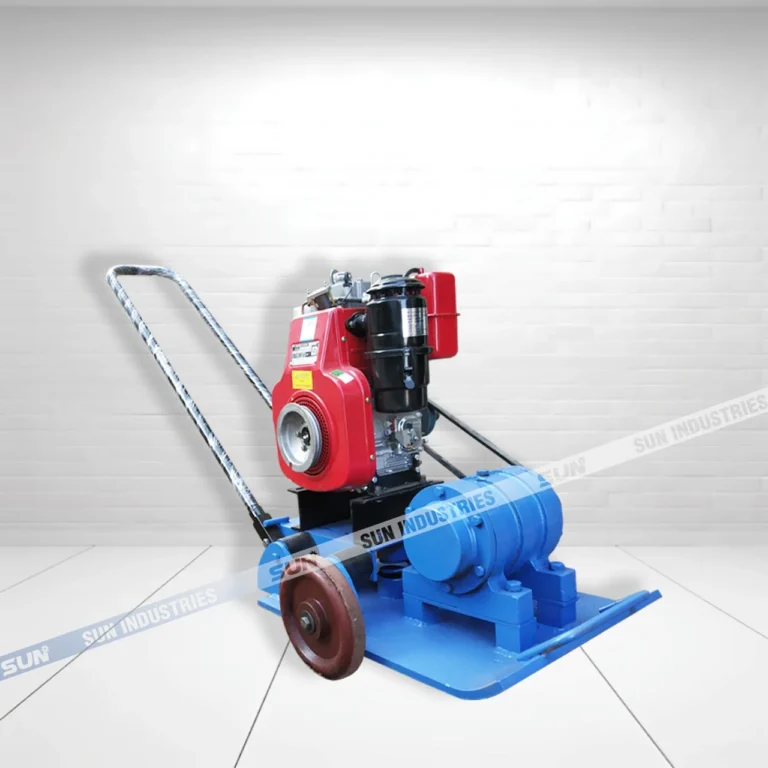
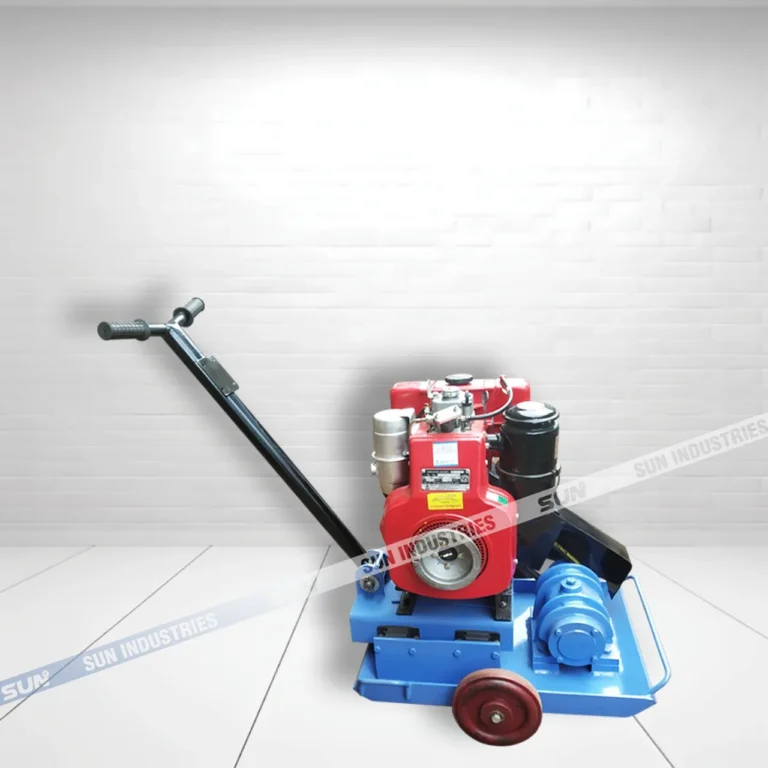
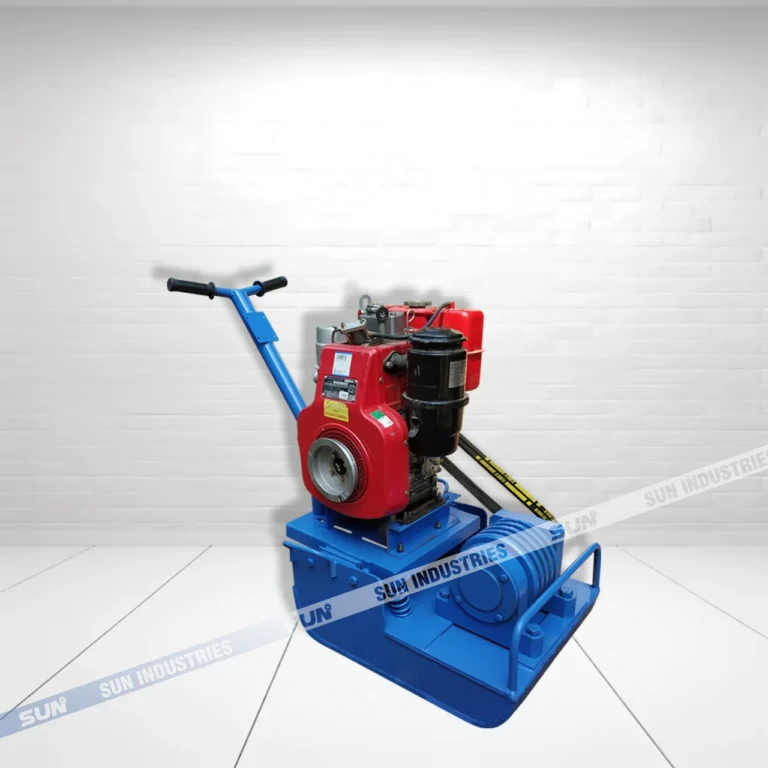
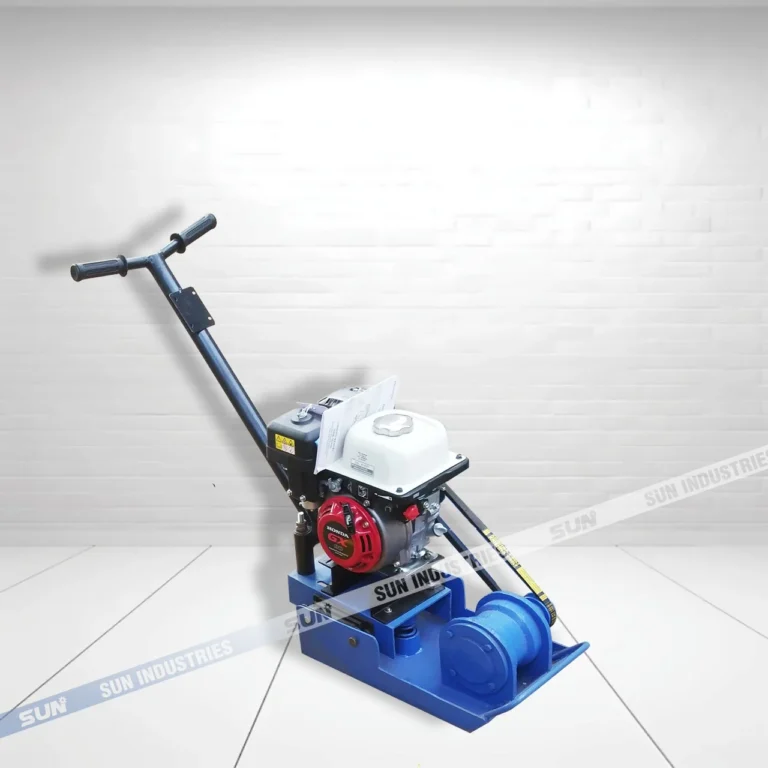
A plate compactor is a construction machine used to compact soil, gravel, sand, or asphalt in preparation for construction work. It is especially common in roadwork, landscaping, and paving projects where creating a stable, level foundation is crucial. The compactor gets its name from the large, flat, heavy steel plate attached to its base, which delivers forceful vibrations with an eccentric to the ground beneath.
The primary job of a plate compactor is to increase the density of loose materials by reducing air gaps. This process enhances load-bearing capacity and prevents settling or shifting over time, which could otherwise lead to structural damage. It is commonly used after laying down sub-base materials before pouring concrete, installing pavers, or laying asphalt.
Plate compactors operate using a heavy plate at its base that vibrates rapidly when powered – usually by an electric motor or gasoline or diesel engine. The engine drives an eccentric mechanism connected to the plate, producing high-frequency vibrations. These vibrations transfer energy into the ground, rearranging and tightly packing the particles. Operators guide the machine over the surface in overlapping passes to ensure uniform compaction.
In essence, the plate compactor delivers a combination of pressure and vibration to ensure ground stability and surface smoothness.
Frequently Asked Questions
They are widely used in:
- Road construction
- Sidewalks and pathways
- Driveways and patios
- Landscaping
- Paver installation
- Asphalt repair and patchwork
Plate compactors are effective for compacting:
- Loose soil
- Gravel
- Sand
- Crushed stone
- Asphalt
Plate compactors are typically powered by:
- Gasoline engines
- Diesel engines
- Electric motors


